Buy irmacapeceminutolo.eu ?
We are moving the project
irmacapeceminutolo.eu .
Are you interested in purchasing the domain
irmacapeceminutolo.eu ?
domain@kv-gmbh.de · 0541-91531010
Buy irmacapeceminutolo.eu ?
Is "müssen" a noun?
No, "müssen" is not a noun. It is a modal verb in German that means "must" or "have to." Modal verbs are used to express necessity, obligation, or possibility in a sentence. **
Is anger a noun?
Yes, anger is a noun. It is a feeling or emotion that can be experienced by a person. As a noun, anger refers to the strong feeling of displeasure or hostility towards someone or something. It is a common human emotion that can vary in intensity and duration. **


Similar search terms for Noun
Top-Angebote
Products related to Noun:
-
Uplift Essentials Girls Beauty Salon And Makeup Simulation Set Ultimate Fashion Styling Playset luxury Salon SetStep into a world of glamour and creativity with an allinone styling station designed for the next generation of fashionistas. This kids hair and beauty makeup set provides a safe, messfree environment for children to explore selfexpression and...76,97 $*Shipping: 0,00 $Secure redirect to the provider
-
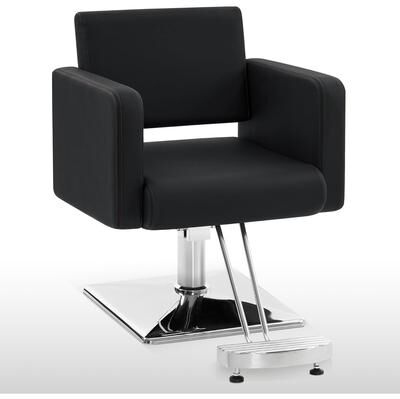
BarberPub Classic Styling Salon Chair for Hair Stylist, with Hydraulic Pump Shampoo Chair Beauty Barber Salon Spa EquipmentItem Description: An excellent, comfortable salon chair will be the finishing touch to your salon or barbershops. Stylish interior design, highly skilled barbers and high quality salon chairs will impress your customers.359,99 $*Shipping: 0,00 $Secure redirect to the provider
-
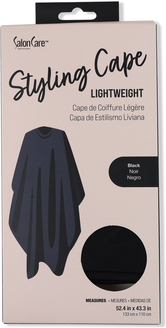
Salon Care Styling Cape Black eachThis Salon Care Lightweight Styling Cape in Black provides reliable, high quality protection and comfort during haircuts, coloring, and styling. Made from durable, water-resistant nylon, it helps keep clothing clean and dry for every hair session.22,59 $*Shipping: 0,00 $Secure redirect to the provider


-
Is "Rot" a noun?
Yes, "Rot" is a noun. It refers to the process of decay or decomposition in organic matter. **
-
How do I recognize a masculine noun and a feminine noun in French?
In French, the gender of a noun is not always predictable and can vary from word to word. However, there are some general rules to help recognize the gender of a noun. One common rule is that nouns ending in -e are often feminine, while those ending in other letters are often masculine. Additionally, nouns referring to male people or animals are usually masculine, while those referring to female people or animals are usually feminine. However, it's important to note that there are many exceptions to these rules, and the gender of a noun often needs to be learned and memorized along with the word itself. **
-
How can I recognize a masculine noun and a feminine noun in French?
In French, one way to recognize a masculine noun is by looking at the article that precedes it. Masculine nouns are usually preceded by the articles "le" (singular) or "les" (plural). On the other hand, feminine nouns are typically preceded by the articles "la" (singular) or "les" (plural). Additionally, many feminine nouns end in the letter "e," while masculine nouns often do not. It is important to remember that there are exceptions to these rules, so it is helpful to learn the gender of nouns along with their respective articles. **
-
Is a name a noun?
Yes, a name is a noun. In grammar, a noun is a word that represents a person, place, thing, or idea. Names are used to identify specific people, places, or things, making them a type of noun. For example, "John" is a name representing a person, "Paris" is a name representing a place, and "book" is a noun representing a thing. **

What are German noun signals?
German noun signals are words that indicate the gender of a noun in the German language. These signals can help learners determine whether a noun is masculine, feminine, or neuter. Some common signals include definite articles like "der" for masculine nouns, "die" for feminine nouns, and "das" for neuter nouns. Additionally, the ending of a noun can also serve as a signal, as certain endings are typically associated with specific genders. **
Is this a proper noun?
No, this is not a proper noun. **
Top-Angebote
Products related to Noun:
-
ForAllApparel Mom Noun MYou've now found the staple tshirt of your wardrobe. It's made of a thicker, heavier cotton, but it's still soft and comfy. And the double stitching on the neckline and sleeves add more durability to what is sure to be a favorite! • 100% ringspun...29,97 $*Shipping: 0,00 $Secure redirect to the provider
-
Uplifted Trends Soft Gauze Face Mask For Beauty Salon Disposable Skin Management Treatment Soft Gauze Face Mask For Beauty Salon Disposable Skin Management TreatmentIndulge your skin with our soft gauze face mask 100 Pcs, designed for beauty salons and home use. This disposable mask is perfect for enhancing your skincare treatments, offering a gentle and soothing experience. Ideal for individuals seeking skin...39,97 $*Shipping: 0,00 $Secure redirect to the provider
-
Uplift Essentials Girls Beauty Salon And Makeup Simulation Set Ultimate Fashion Styling Playset luxury Salon SetStep into a world of glamour and creativity with an allinone styling station designed for the next generation of fashionistas. This kids hair and beauty makeup set provides a safe, messfree environment for children to explore selfexpression and...76,97 $*Shipping: 0,00 $Secure redirect to the provider
-
BarberPub Classic Styling Salon Chair for Hair Stylist, with Hydraulic Pump Shampoo Chair Beauty Barber Salon Spa EquipmentItem Description: An excellent, comfortable salon chair will be the finishing touch to your salon or barbershops. Stylish interior design, highly skilled barbers and high quality salon chairs will impress your customers.359,99 $*Shipping: 0,00 $Secure redirect to the provider
-
Is "müssen" a noun?
No, "müssen" is not a noun. It is a modal verb in German that means "must" or "have to." Modal verbs are used to express necessity, obligation, or possibility in a sentence. **
-
Is anger a noun?
Yes, anger is a noun. It is a feeling or emotion that can be experienced by a person. As a noun, anger refers to the strong feeling of displeasure or hostility towards someone or something. It is a common human emotion that can vary in intensity and duration. **
-
Is "Rot" a noun?
Yes, "Rot" is a noun. It refers to the process of decay or decomposition in organic matter. **
-
How do I recognize a masculine noun and a feminine noun in French?
In French, the gender of a noun is not always predictable and can vary from word to word. However, there are some general rules to help recognize the gender of a noun. One common rule is that nouns ending in -e are often feminine, while those ending in other letters are often masculine. Additionally, nouns referring to male people or animals are usually masculine, while those referring to female people or animals are usually feminine. However, it's important to note that there are many exceptions to these rules, and the gender of a noun often needs to be learned and memorized along with the word itself. **
Similar search terms for Noun
-
Salon Care Styling Cape Black eachThis Salon Care Lightweight Styling Cape in Black provides reliable, high quality protection and comfort during haircuts, coloring, and styling. Made from durable, water-resistant nylon, it helps keep clothing clean and dry for every hair session.22,59 $*Shipping: 0,00 $Secure redirect to the provider
-
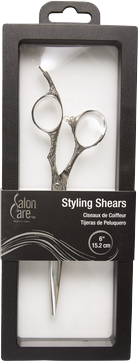
Salon Care Carved Styling Shears eachSalon Care Carved Styling Shears are made of stainless steel and produce long-lasting edges for precise, smooth cutting action. The lightweight handles with a molded-in finger rest provide a comfortable grip.59,99 $*Shipping: 0,00 $Secure redirect to the provider
-
Salon Care Styling Cape With ArmsThe Salon Care Styling Cape With Arms is lightweight with a grip neck closure. The built-in arms protect arms and sleeves but leave hands free. This styling cape is versatile and keeps your clients protected during styling services.21,99 $*Shipping: 0,00 $Secure redirect to the provider
-
How can I recognize a masculine noun and a feminine noun in French?
In French, one way to recognize a masculine noun is by looking at the article that precedes it. Masculine nouns are usually preceded by the articles "le" (singular) or "les" (plural). On the other hand, feminine nouns are typically preceded by the articles "la" (singular) or "les" (plural). Additionally, many feminine nouns end in the letter "e," while masculine nouns often do not. It is important to remember that there are exceptions to these rules, so it is helpful to learn the gender of nouns along with their respective articles. **
-
Is a name a noun?
Yes, a name is a noun. In grammar, a noun is a word that represents a person, place, thing, or idea. Names are used to identify specific people, places, or things, making them a type of noun. For example, "John" is a name representing a person, "Paris" is a name representing a place, and "book" is a noun representing a thing. **
-
What are German noun signals?
German noun signals are words that indicate the gender of a noun in the German language. These signals can help learners determine whether a noun is masculine, feminine, or neuter. Some common signals include definite articles like "der" for masculine nouns, "die" for feminine nouns, and "das" for neuter nouns. Additionally, the ending of a noun can also serve as a signal, as certain endings are typically associated with specific genders. **
-
Is this a proper noun?
No, this is not a proper noun. **
* All prices are inclusive of VAT and, if applicable, plus shipping costs. The offer information is based on the details provided by the respective shop and is updated through automated processes. Real-time updates do not occur, so deviations can occur in individual cases. ** Note: Parts of this content were created by AI.