Buy irmacapeceminutolo.eu ?
We are moving the project
irmacapeceminutolo.eu .
Are you interested in purchasing the domain
irmacapeceminutolo.eu ?
domain@kv-gmbh.de · 0541-91531010
Buy irmacapeceminutolo.eu ?
How can I externally distinguish an NPN transistor from a PNP transistor?
One way to externally distinguish an NPN transistor from a PNP transistor is by looking at the labeling on the transistor itself. NPN transistors will typically have the letters "NPN" or the symbol "->" printed on them, while PNP transistors will have "PNP" or the symbol "<-" printed on them. Another way is to check the pin configuration of the transistor. NPN transistors have their emitter connected to the negative side of the power supply, while PNP transistors have their emitter connected to the positive side. **
Is a transistor a crystal?
No, a transistor is not a crystal. A transistor is a semiconductor device that can amplify or switch electronic signals, while a crystal is a solid material with a regularly repeating atomic structure. Transistors are often made using semiconductor materials like silicon, which can have a crystalline structure, but the transistor itself is not considered a crystal. **


Similar search terms for Transistor
Top-Angebote
Products related to Transistor:
-
BarberPub Classic Styling Salon Chair for Hair Stylist, with Hydraulic Pump Shampoo Chair Beauty Barber Salon Spa EquipmentItem Description: An excellent, comfortable salon chair will be the finishing touch to your salon or barbershops. Stylish interior design, highly skilled barbers and high quality salon chairs will impress your customers.359,99 $*Shipping: 0,00 $Secure redirect to the provider
-
Salon Care Styling Cape Black eachThis Salon Care Lightweight Styling Cape in Black provides reliable, high quality protection and comfort during haircuts, coloring, and styling. Made from durable, water-resistant nylon, it helps keep clothing clean and dry for every hair session.22,59 $*Shipping: 0,00 $Secure redirect to the provider
-
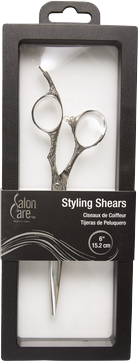
Salon Care Carved Styling Shears eachSalon Care Carved Styling Shears are made of stainless steel and produce long-lasting edges for precise, smooth cutting action. The lightweight handles with a molded-in finger rest provide a comfortable grip.59,99 $*Shipping: 0,00 $Secure redirect to the provider



-
How does a transistor work?
A transistor is a semiconductor device that can amplify or switch electronic signals. It consists of three layers of semiconductor material - the emitter, base, and collector. By applying a small current to the base, the transistor can control a much larger current flowing between the collector and emitter. This allows transistors to act as amplifiers by increasing the strength of a signal, or as switches by turning a signal on or off. **
-
Why does a transistor amplify?
A transistor amplifies because it can control the flow of current between its collector and emitter terminals by varying the current at its base terminal. This control allows a small input signal to modulate a larger output signal, resulting in amplification. The ability of the transistor to amplify is due to its ability to amplify and control the flow of current, making it a key component in electronic circuits for signal amplification and switching. **
-
How is a transistor installed?
A transistor is typically installed on a circuit board by soldering its leads onto the appropriate pads or holes on the board. The leads of the transistor are first bent to the correct shape and then inserted into the corresponding holes on the board. The leads are then soldered in place to ensure a secure electrical connection. Care must be taken to ensure that the transistor is oriented correctly according to the circuit diagram to ensure proper functionality. **
-
When is the transistor conducting?
A transistor is conducting when it is in the "on" state, allowing current to flow between its collector and emitter terminals. This occurs when a sufficient voltage is applied to the base terminal, causing the transistor to become forward-biased and allowing current to flow through it. In this state, the transistor acts as a closed switch, allowing the flow of current through it. **


Which transistor do I need?
To determine which transistor you need, you should consider the specific requirements of your circuit. Factors to consider include the voltage and current requirements, the frequency of operation, and the type of signal being amplified or switched. Additionally, you should consider whether you need a bipolar junction transistor (BJT) or a field-effect transistor (FET) based on the application. Once you have a clear understanding of your circuit's requirements, you can select a transistor that meets those specifications. **
What happens when a transistor amplifies?
When a transistor amplifies a signal, it increases the strength of the signal without significantly distorting it. This is achieved by controlling the flow of current between the collector and emitter terminals based on the current at the base terminal. The transistor acts as a switch that can be turned on and off rapidly, allowing it to amplify the input signal. Overall, the transistor amplifies the input signal by a factor known as the gain of the transistor. **
Top-Angebote
Products related to Transistor:
-
Uplifted Trends Soft Gauze Face Mask For Beauty Salon Disposable Skin Management Treatment Soft Gauze Face Mask For Beauty Salon Disposable Skin Management TreatmentIndulge your skin with our soft gauze face mask 100 Pcs, designed for beauty salons and home use. This disposable mask is perfect for enhancing your skincare treatments, offering a gentle and soothing experience. Ideal for individuals seeking skin...39,97 $*Shipping: 0,00 $Secure redirect to the provider
-
Uplift Essentials Girls Beauty Salon And Makeup Simulation Set Ultimate Fashion Styling Playset luxury Salon SetStep into a world of glamour and creativity with an allinone styling station designed for the next generation of fashionistas. This kids hair and beauty makeup set provides a safe, messfree environment for children to explore selfexpression and...76,97 $*Shipping: 0,00 $Secure redirect to the provider
-
BarberPub Classic Styling Salon Chair for Hair Stylist, with Hydraulic Pump Shampoo Chair Beauty Barber Salon Spa EquipmentItem Description: An excellent, comfortable salon chair will be the finishing touch to your salon or barbershops. Stylish interior design, highly skilled barbers and high quality salon chairs will impress your customers.359,99 $*Shipping: 0,00 $Secure redirect to the provider
-
How can I externally distinguish an NPN transistor from a PNP transistor?
One way to externally distinguish an NPN transistor from a PNP transistor is by looking at the labeling on the transistor itself. NPN transistors will typically have the letters "NPN" or the symbol "->" printed on them, while PNP transistors will have "PNP" or the symbol "<-" printed on them. Another way is to check the pin configuration of the transistor. NPN transistors have their emitter connected to the negative side of the power supply, while PNP transistors have their emitter connected to the positive side. **
-
Is a transistor a crystal?
No, a transistor is not a crystal. A transistor is a semiconductor device that can amplify or switch electronic signals, while a crystal is a solid material with a regularly repeating atomic structure. Transistors are often made using semiconductor materials like silicon, which can have a crystalline structure, but the transistor itself is not considered a crystal. **
-
How does a transistor work?
A transistor is a semiconductor device that can amplify or switch electronic signals. It consists of three layers of semiconductor material - the emitter, base, and collector. By applying a small current to the base, the transistor can control a much larger current flowing between the collector and emitter. This allows transistors to act as amplifiers by increasing the strength of a signal, or as switches by turning a signal on or off. **
-
Why does a transistor amplify?
A transistor amplifies because it can control the flow of current between its collector and emitter terminals by varying the current at its base terminal. This control allows a small input signal to modulate a larger output signal, resulting in amplification. The ability of the transistor to amplify is due to its ability to amplify and control the flow of current, making it a key component in electronic circuits for signal amplification and switching. **
Similar search terms for Transistor
-
Salon Care Styling Cape Black eachThis Salon Care Lightweight Styling Cape in Black provides reliable, high quality protection and comfort during haircuts, coloring, and styling. Made from durable, water-resistant nylon, it helps keep clothing clean and dry for every hair session.22,59 $*Shipping: 0,00 $Secure redirect to the provider
-
Salon Care Carved Styling Shears eachSalon Care Carved Styling Shears are made of stainless steel and produce long-lasting edges for precise, smooth cutting action. The lightweight handles with a molded-in finger rest provide a comfortable grip.59,99 $*Shipping: 0,00 $Secure redirect to the provider
-
Salon Care Styling Cape With ArmsThe Salon Care Styling Cape With Arms is lightweight with a grip neck closure. The built-in arms protect arms and sleeves but leave hands free. This styling cape is versatile and keeps your clients protected during styling services.21,99 $*Shipping: 0,00 $Secure redirect to the provider
-
Costway Barber Salon Chair Beauty Styling Chair with Hydraulic Pump and Adjustable Height 360°Swivel Spa Chair-BlackThis professional salon chair is designed to offer exceptional comfort, stability, and efficiency in any styling environment.159,99 $*Shipping: 0,00 $Secure redirect to the provider
-
How is a transistor installed?
A transistor is typically installed on a circuit board by soldering its leads onto the appropriate pads or holes on the board. The leads of the transistor are first bent to the correct shape and then inserted into the corresponding holes on the board. The leads are then soldered in place to ensure a secure electrical connection. Care must be taken to ensure that the transistor is oriented correctly according to the circuit diagram to ensure proper functionality. **
-
When is the transistor conducting?
A transistor is conducting when it is in the "on" state, allowing current to flow between its collector and emitter terminals. This occurs when a sufficient voltage is applied to the base terminal, causing the transistor to become forward-biased and allowing current to flow through it. In this state, the transistor acts as a closed switch, allowing the flow of current through it. **
-
Which transistor do I need?
To determine which transistor you need, you should consider the specific requirements of your circuit. Factors to consider include the voltage and current requirements, the frequency of operation, and the type of signal being amplified or switched. Additionally, you should consider whether you need a bipolar junction transistor (BJT) or a field-effect transistor (FET) based on the application. Once you have a clear understanding of your circuit's requirements, you can select a transistor that meets those specifications. **
-
What happens when a transistor amplifies?
When a transistor amplifies a signal, it increases the strength of the signal without significantly distorting it. This is achieved by controlling the flow of current between the collector and emitter terminals based on the current at the base terminal. The transistor acts as a switch that can be turned on and off rapidly, allowing it to amplify the input signal. Overall, the transistor amplifies the input signal by a factor known as the gain of the transistor. **
* All prices are inclusive of VAT and, if applicable, plus shipping costs. The offer information is based on the details provided by the respective shop and is updated through automated processes. Real-time updates do not occur, so deviations can occur in individual cases. ** Note: Parts of this content were created by AI.