Buy irmacapeceminutolo.eu ?
We are moving the project
irmacapeceminutolo.eu .
Are you interested in purchasing the domain
irmacapeceminutolo.eu ?
domain@kv-gmbh.de · 0541-91531010
Buy irmacapeceminutolo.eu ?
How does a photodiode work?
A photodiode is a semiconductor device that converts light into an electrical current. When light strikes the photodiode, it generates electron-hole pairs in the semiconductor material. These pairs create a flow of current, which can be measured as a voltage output. The amount of current produced is directly proportional to the intensity of the light hitting the photodiode. This makes photodiodes useful for applications such as light detection, solar cells, and optical communications. **
How is a photodiode connected?
A photodiode is typically connected in reverse bias configuration, meaning the anode is connected to the negative terminal of the power supply and the cathode is connected to the positive terminal. This allows the photodiode to operate in the photoconductive mode, where it generates a current in response to light exposure. Additionally, a resistor is often connected in series with the photodiode to limit the current and prevent damage to the diode. Finally, the output of the photodiode can be connected to a load or measurement circuit to utilize the generated current. **


Similar search terms for Photodiode
Top-Angebote
Products related to Photodiode:
-
BarberPub Classic Styling Salon Chair for Hair Stylist, with Hydraulic Pump Shampoo Chair Beauty Barber Salon Spa EquipmentItem Description: An excellent, comfortable salon chair will be the finishing touch to your salon or barbershops. Stylish interior design, highly skilled barbers and high quality salon chairs will impress your customers.359,99 $*Shipping: 0,00 $Secure redirect to the provider
-
N.V. Perricone Haircare Damage Defense Treatment Leave-In Spray 150mLA hair-care product. It a weightless daily leave-in spray that hydrates dry, fragile hair while providing essential protection against heat, UV damage, and color fading. Hydrates and fortifies dry, fragile hair. Protects against heat and UV damage. Reduces color fading for vibrant hair. Improves manageability and smoothness.20,91 £*Shipping: 7,11 £Secure redirect to the provider
-
Salon Care Styling Cape Black eachThis Salon Care Lightweight Styling Cape in Black provides reliable, high quality protection and comfort during haircuts, coloring, and styling. Made from durable, water-resistant nylon, it helps keep clothing clean and dry for every hair session.22,59 $*Shipping: 0,00 $Secure redirect to the provider




-
What components does a photodiode need in electrical engineering?
In electrical engineering, a photodiode requires several components to function effectively. These include a semiconductor material, such as silicon, which is sensitive to light and capable of generating an electric current when exposed to photons. Additionally, a photodiode needs a p-n junction to create a depletion region, which allows for the separation of electron-hole pairs when light is absorbed. Furthermore, a photodiode typically requires a reverse bias voltage to create the necessary electric field for efficient operation. Finally, a photodiode may also need a protective housing to shield it from external factors such as temperature, humidity, and mechanical stress. **
-
What is the difference between a diode and a photodiode?
A diode is a two-terminal electronic component that allows current to flow in one direction only. It is commonly used in electronic circuits to control the direction of current flow. On the other hand, a photodiode is a type of diode that is designed to convert light into electrical current. Photodiodes are used in various applications such as light sensors, solar cells, and optical communications. The key difference between a diode and a photodiode is that a photodiode is specifically designed to detect and convert light into electrical current, whereas a diode is a more general electronic component used for controlling current flow. **
-
What is the difference between a photoelement and a photodiode?
A photoelement is a general term used to describe any device that converts light into an electrical signal, including photodiodes. A photodiode is a specific type of photoelement that operates in reverse bias, meaning it only allows current to flow when light is present. Photodiodes are commonly used in applications such as light detection, solar cells, and optical communication systems. In contrast, a photoelement can refer to a broader range of light-sensitive devices, including phototransistors, photoresistors, and photovoltaic cells. **
-
What are the different characteristics between a photodiode and a photoresistor?
Photodiodes are semiconductor devices that generate a current when exposed to light, offering a fast response time and high sensitivity to light intensity changes. They are more expensive and complex to use compared to photoresistors. Photoresistors, on the other hand, are passive components that change resistance based on the amount of light they are exposed to, providing a simple and cost-effective solution for light detection. They have a slower response time and are less sensitive to light compared to photodiodes. **

How can the light sensor (photodiode) be read out analog-digital?
The light sensor (photodiode) can be read out analog-digital by using an analog-to-digital converter (ADC). The photodiode generates a current or voltage signal in response to the incident light, which is then converted into a digital value by the ADC. The ADC samples the analog signal at regular intervals and quantizes it into discrete digital values, which can then be processed and analyzed by a microcontroller or computer. This digital output can be used to measure the intensity of the light and make decisions or trigger actions based on the light level. **
What is the difference between a photodiode, a phototransistor, and a photoresistor?
A photodiode is a semiconductor device that converts light into an electrical current. It operates in reverse bias mode and has a fast response time. A phototransistor is a type of transistor that is sensitive to light and amplifies the current flowing through it when exposed to light. It operates in active mode and is more sensitive than a photodiode. A photoresistor, on the other hand, is a passive component whose resistance changes in response to light intensity. It does not amplify the current like a phototransistor and is commonly used in light sensing applications. **
Top-Angebote
Products related to Photodiode:
-
Uplifted Trends Soft Gauze Face Mask For Beauty Salon Disposable Skin Management Treatment Soft Gauze Face Mask For Beauty Salon Disposable Skin Management TreatmentIndulge your skin with our soft gauze face mask 100 Pcs, designed for beauty salons and home use. This disposable mask is perfect for enhancing your skincare treatments, offering a gentle and soothing experience. Ideal for individuals seeking skin...39,97 $*Shipping: 0,00 $Secure redirect to the provider
-
Uplift Essentials Girls Beauty Salon And Makeup Simulation Set Ultimate Fashion Styling Playset luxury Salon SetStep into a world of glamour and creativity with an allinone styling station designed for the next generation of fashionistas. This kids hair and beauty makeup set provides a safe, messfree environment for children to explore selfexpression and...76,97 $*Shipping: 0,00 $Secure redirect to the provider
-
BarberPub Classic Styling Salon Chair for Hair Stylist, with Hydraulic Pump Shampoo Chair Beauty Barber Salon Spa EquipmentItem Description: An excellent, comfortable salon chair will be the finishing touch to your salon or barbershops. Stylish interior design, highly skilled barbers and high quality salon chairs will impress your customers.359,99 $*Shipping: 0,00 $Secure redirect to the provider
-
How does a photodiode work?
A photodiode is a semiconductor device that converts light into an electrical current. When light strikes the photodiode, it generates electron-hole pairs in the semiconductor material. These pairs create a flow of current, which can be measured as a voltage output. The amount of current produced is directly proportional to the intensity of the light hitting the photodiode. This makes photodiodes useful for applications such as light detection, solar cells, and optical communications. **
-
How is a photodiode connected?
A photodiode is typically connected in reverse bias configuration, meaning the anode is connected to the negative terminal of the power supply and the cathode is connected to the positive terminal. This allows the photodiode to operate in the photoconductive mode, where it generates a current in response to light exposure. Additionally, a resistor is often connected in series with the photodiode to limit the current and prevent damage to the diode. Finally, the output of the photodiode can be connected to a load or measurement circuit to utilize the generated current. **
-
What components does a photodiode need in electrical engineering?
In electrical engineering, a photodiode requires several components to function effectively. These include a semiconductor material, such as silicon, which is sensitive to light and capable of generating an electric current when exposed to photons. Additionally, a photodiode needs a p-n junction to create a depletion region, which allows for the separation of electron-hole pairs when light is absorbed. Furthermore, a photodiode typically requires a reverse bias voltage to create the necessary electric field for efficient operation. Finally, a photodiode may also need a protective housing to shield it from external factors such as temperature, humidity, and mechanical stress. **
-
What is the difference between a diode and a photodiode?
A diode is a two-terminal electronic component that allows current to flow in one direction only. It is commonly used in electronic circuits to control the direction of current flow. On the other hand, a photodiode is a type of diode that is designed to convert light into electrical current. Photodiodes are used in various applications such as light sensors, solar cells, and optical communications. The key difference between a diode and a photodiode is that a photodiode is specifically designed to detect and convert light into electrical current, whereas a diode is a more general electronic component used for controlling current flow. **
Similar search terms for Photodiode
-
N.V. Perricone Haircare Damage Defense Treatment Leave-In Spray 150mLA hair-care product. It a weightless daily leave-in spray that hydrates dry, fragile hair while providing essential protection against heat, UV damage, and color fading. Hydrates and fortifies dry, fragile hair. Protects against heat and UV damage. Reduces color fading for vibrant hair. Improves manageability and smoothness.20,91 £*Shipping: 7,11 £Secure redirect to the provider
-
Salon Care Styling Cape Black eachThis Salon Care Lightweight Styling Cape in Black provides reliable, high quality protection and comfort during haircuts, coloring, and styling. Made from durable, water-resistant nylon, it helps keep clothing clean and dry for every hair session.22,59 $*Shipping: 0,00 $Secure redirect to the provider
-
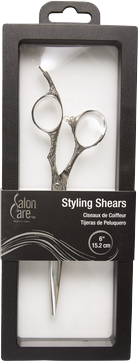
Salon Care Carved Styling Shears eachSalon Care Carved Styling Shears are made of stainless steel and produce long-lasting edges for precise, smooth cutting action. The lightweight handles with a molded-in finger rest provide a comfortable grip.59,99 $*Shipping: 0,00 $Secure redirect to the provider
-
Salon Care Styling Cape With ArmsThe Salon Care Styling Cape With Arms is lightweight with a grip neck closure. The built-in arms protect arms and sleeves but leave hands free. This styling cape is versatile and keeps your clients protected during styling services.21,99 $*Shipping: 0,00 $Secure redirect to the provider
-
What is the difference between a photoelement and a photodiode?
A photoelement is a general term used to describe any device that converts light into an electrical signal, including photodiodes. A photodiode is a specific type of photoelement that operates in reverse bias, meaning it only allows current to flow when light is present. Photodiodes are commonly used in applications such as light detection, solar cells, and optical communication systems. In contrast, a photoelement can refer to a broader range of light-sensitive devices, including phototransistors, photoresistors, and photovoltaic cells. **
-
What are the different characteristics between a photodiode and a photoresistor?
Photodiodes are semiconductor devices that generate a current when exposed to light, offering a fast response time and high sensitivity to light intensity changes. They are more expensive and complex to use compared to photoresistors. Photoresistors, on the other hand, are passive components that change resistance based on the amount of light they are exposed to, providing a simple and cost-effective solution for light detection. They have a slower response time and are less sensitive to light compared to photodiodes. **
-
How can the light sensor (photodiode) be read out analog-digital?
The light sensor (photodiode) can be read out analog-digital by using an analog-to-digital converter (ADC). The photodiode generates a current or voltage signal in response to the incident light, which is then converted into a digital value by the ADC. The ADC samples the analog signal at regular intervals and quantizes it into discrete digital values, which can then be processed and analyzed by a microcontroller or computer. This digital output can be used to measure the intensity of the light and make decisions or trigger actions based on the light level. **
-
What is the difference between a photodiode, a phototransistor, and a photoresistor?
A photodiode is a semiconductor device that converts light into an electrical current. It operates in reverse bias mode and has a fast response time. A phototransistor is a type of transistor that is sensitive to light and amplifies the current flowing through it when exposed to light. It operates in active mode and is more sensitive than a photodiode. A photoresistor, on the other hand, is a passive component whose resistance changes in response to light intensity. It does not amplify the current like a phototransistor and is commonly used in light sensing applications. **
* All prices are inclusive of VAT and, if applicable, plus shipping costs. The offer information is based on the details provided by the respective shop and is updated through automated processes. Real-time updates do not occur, so deviations can occur in individual cases. ** Note: Parts of this content were created by AI.