Buy irmacapeceminutolo.eu ?
We are moving the project
irmacapeceminutolo.eu .
Are you interested in purchasing the domain
irmacapeceminutolo.eu ?
domain@kv-gmbh.de · 0541-91531010
Buy irmacapeceminutolo.eu ?
How is cloning applied?
Cloning is applied in various fields such as agriculture, medicine, and research. In agriculture, cloning is used to produce genetically identical plants or animals with desirable traits, such as disease resistance or high yield. In medicine, cloning is used to create stem cells for potential therapeutic purposes, or to produce animal models for studying diseases. In research, cloning is used to study genetic and developmental processes, as well as to preserve endangered species. Overall, cloning has a wide range of applications with potential benefits in different fields. **
Is cloning identity fraud?
Cloning is not the same as identity fraud. Cloning refers to the creation of a genetically identical copy of an organism, while identity fraud involves using someone else's personal information for fraudulent purposes. While cloning may raise ethical and moral concerns, it is not the same as the criminal act of identity fraud. However, the potential misuse of cloned genetic material could potentially lead to identity fraud if used to create false identities. **


Similar search terms for Cloning
Top-Angebote
Products related to Cloning:
-
BarberPub Classic Styling Salon Chair for Hair Stylist, with Hydraulic Pump Shampoo Chair Beauty Barber Salon Spa EquipmentItem Description: An excellent, comfortable salon chair will be the finishing touch to your salon or barbershops. Stylish interior design, highly skilled barbers and high quality salon chairs will impress your customers.359,99 $*Shipping: 0,00 $Secure redirect to the provider
-
Salon Care Styling Cape Black eachThis Salon Care Lightweight Styling Cape in Black provides reliable, high quality protection and comfort during haircuts, coloring, and styling. Made from durable, water-resistant nylon, it helps keep clothing clean and dry for every hair session.22,59 $*Shipping: 0,00 $Secure redirect to the provider
-
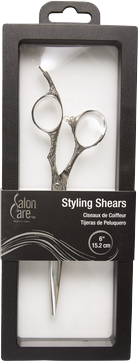
Salon Care Carved Styling Shears eachSalon Care Carved Styling Shears are made of stainless steel and produce long-lasting edges for precise, smooth cutting action. The lightweight handles with a molded-in finger rest provide a comfortable grip.59,99 $*Shipping: 0,00 $Secure redirect to the provider



-
What does cloning mean?
Cloning is the process of creating an identical copy of an organism or a specific gene or DNA sequence. This can be done through various techniques, such as somatic cell nuclear transfer or gene cloning. Cloning can be used for a variety of purposes, including scientific research, medical treatments, and agricultural practices. However, it also raises ethical and moral concerns, particularly when it comes to cloning humans. **
-
How does cloning work?
Cloning is the process of creating a genetically identical copy of an organism. In the case of reproductive cloning, the nucleus of a donor cell is inserted into an egg cell that has had its nucleus removed. The egg cell is then stimulated to divide and develop into an embryo, which is then implanted into a surrogate mother. In the case of therapeutic cloning, the cloned embryo is used to harvest stem cells for medical research and potential treatment of diseases. The process of cloning has ethical and scientific implications and continues to be a topic of debate and research. **
-
What do you think about human cloning and the associated therapeutic cloning?
I believe that human cloning raises ethical concerns regarding individuality, identity, and the potential exploitation of cloned individuals. However, therapeutic cloning, which involves creating cloned embryos for medical research and potential treatments, holds promise for advancing regenerative medicine and treating various diseases. It is important to carefully consider the ethical implications and regulations surrounding these practices to ensure that they are used responsibly and ethically. **
-
What is therapeutic cloning and what is the difference to reproductive cloning?
Therapeutic cloning, also known as somatic cell nuclear transfer, is a process in which a cell from a patient is used to create an embryo that is genetically identical to the patient. The purpose of therapeutic cloning is to harvest stem cells from the embryo, which can then be used for medical treatments and research. Reproductive cloning, on the other hand, is the process of creating a genetically identical copy of an organism. This is typically done by transferring the nucleus of a donor cell into an egg cell that has had its nucleus removed, and then implanting the resulting embryo into a surrogate mother. The goal of reproductive cloning is to produce a living organism with the same genetic makeup as the donor. The main difference between therapeutic cloning and reproductive cloning is the intended outcome: therapeutic cloning is focused on producing stem cells for medical purposes, while reproductive cloning is focused on creating a living organism. **


How can cloning be manipulated?
Cloning can be manipulated through various techniques such as somatic cell nuclear transfer, where the nucleus of a somatic cell is transferred into an enucleated egg cell to create a clone. Additionally, gene editing technologies like CRISPR can be used to modify the genetic material of the cloned organism. Cloning can also be manipulated through the use of different culture conditions and growth factors to enhance the development and viability of cloned embryos. Overall, cloning can be manipulated through a combination of genetic, cellular, and environmental techniques to achieve specific desired outcomes. **
Where is reproductive cloning applied?
Reproductive cloning is applied in the field of animal breeding and genetic research. It is used to create genetically identical animals for agricultural purposes, such as producing high-quality livestock or preserving endangered species. Reproductive cloning has also been used in scientific research to study the effects of genetic modifications and to develop new medical treatments. However, it is not currently used in human reproduction due to ethical and safety concerns. **
Top-Angebote
Products related to Cloning:
-
Uplifted Trends Soft Gauze Face Mask For Beauty Salon Disposable Skin Management Treatment Soft Gauze Face Mask For Beauty Salon Disposable Skin Management TreatmentIndulge your skin with our soft gauze face mask 100 Pcs, designed for beauty salons and home use. This disposable mask is perfect for enhancing your skincare treatments, offering a gentle and soothing experience. Ideal for individuals seeking skin...39,97 $*Shipping: 0,00 $Secure redirect to the provider
-
Uplift Essentials Girls Beauty Salon And Makeup Simulation Set Ultimate Fashion Styling Playset luxury Salon SetStep into a world of glamour and creativity with an allinone styling station designed for the next generation of fashionistas. This kids hair and beauty makeup set provides a safe, messfree environment for children to explore selfexpression and...76,97 $*Shipping: 0,00 $Secure redirect to the provider
-
BarberPub Classic Styling Salon Chair for Hair Stylist, with Hydraulic Pump Shampoo Chair Beauty Barber Salon Spa EquipmentItem Description: An excellent, comfortable salon chair will be the finishing touch to your salon or barbershops. Stylish interior design, highly skilled barbers and high quality salon chairs will impress your customers.359,99 $*Shipping: 0,00 $Secure redirect to the provider
-
How is cloning applied?
Cloning is applied in various fields such as agriculture, medicine, and research. In agriculture, cloning is used to produce genetically identical plants or animals with desirable traits, such as disease resistance or high yield. In medicine, cloning is used to create stem cells for potential therapeutic purposes, or to produce animal models for studying diseases. In research, cloning is used to study genetic and developmental processes, as well as to preserve endangered species. Overall, cloning has a wide range of applications with potential benefits in different fields. **
-
Is cloning identity fraud?
Cloning is not the same as identity fraud. Cloning refers to the creation of a genetically identical copy of an organism, while identity fraud involves using someone else's personal information for fraudulent purposes. While cloning may raise ethical and moral concerns, it is not the same as the criminal act of identity fraud. However, the potential misuse of cloned genetic material could potentially lead to identity fraud if used to create false identities. **
-
What does cloning mean?
Cloning is the process of creating an identical copy of an organism or a specific gene or DNA sequence. This can be done through various techniques, such as somatic cell nuclear transfer or gene cloning. Cloning can be used for a variety of purposes, including scientific research, medical treatments, and agricultural practices. However, it also raises ethical and moral concerns, particularly when it comes to cloning humans. **
-
How does cloning work?
Cloning is the process of creating a genetically identical copy of an organism. In the case of reproductive cloning, the nucleus of a donor cell is inserted into an egg cell that has had its nucleus removed. The egg cell is then stimulated to divide and develop into an embryo, which is then implanted into a surrogate mother. In the case of therapeutic cloning, the cloned embryo is used to harvest stem cells for medical research and potential treatment of diseases. The process of cloning has ethical and scientific implications and continues to be a topic of debate and research. **
Similar search terms for Cloning
-
Salon Care Styling Cape Black eachThis Salon Care Lightweight Styling Cape in Black provides reliable, high quality protection and comfort during haircuts, coloring, and styling. Made from durable, water-resistant nylon, it helps keep clothing clean and dry for every hair session.22,59 $*Shipping: 0,00 $Secure redirect to the provider
-
Salon Care Carved Styling Shears eachSalon Care Carved Styling Shears are made of stainless steel and produce long-lasting edges for precise, smooth cutting action. The lightweight handles with a molded-in finger rest provide a comfortable grip.59,99 $*Shipping: 0,00 $Secure redirect to the provider
-
Salon Care Styling Cape With ArmsThe Salon Care Styling Cape With Arms is lightweight with a grip neck closure. The built-in arms protect arms and sleeves but leave hands free. This styling cape is versatile and keeps your clients protected during styling services.21,99 $*Shipping: 0,00 $Secure redirect to the provider
-
Costway Barber Salon Chair Beauty Styling Chair with Hydraulic Pump and Adjustable Height 360°Swivel Spa Chair-BlackThis professional salon chair is designed to offer exceptional comfort, stability, and efficiency in any styling environment.159,99 $*Shipping: 0,00 $Secure redirect to the provider
-
What do you think about human cloning and the associated therapeutic cloning?
I believe that human cloning raises ethical concerns regarding individuality, identity, and the potential exploitation of cloned individuals. However, therapeutic cloning, which involves creating cloned embryos for medical research and potential treatments, holds promise for advancing regenerative medicine and treating various diseases. It is important to carefully consider the ethical implications and regulations surrounding these practices to ensure that they are used responsibly and ethically. **
-
What is therapeutic cloning and what is the difference to reproductive cloning?
Therapeutic cloning, also known as somatic cell nuclear transfer, is a process in which a cell from a patient is used to create an embryo that is genetically identical to the patient. The purpose of therapeutic cloning is to harvest stem cells from the embryo, which can then be used for medical treatments and research. Reproductive cloning, on the other hand, is the process of creating a genetically identical copy of an organism. This is typically done by transferring the nucleus of a donor cell into an egg cell that has had its nucleus removed, and then implanting the resulting embryo into a surrogate mother. The goal of reproductive cloning is to produce a living organism with the same genetic makeup as the donor. The main difference between therapeutic cloning and reproductive cloning is the intended outcome: therapeutic cloning is focused on producing stem cells for medical purposes, while reproductive cloning is focused on creating a living organism. **
-
How can cloning be manipulated?
Cloning can be manipulated through various techniques such as somatic cell nuclear transfer, where the nucleus of a somatic cell is transferred into an enucleated egg cell to create a clone. Additionally, gene editing technologies like CRISPR can be used to modify the genetic material of the cloned organism. Cloning can also be manipulated through the use of different culture conditions and growth factors to enhance the development and viability of cloned embryos. Overall, cloning can be manipulated through a combination of genetic, cellular, and environmental techniques to achieve specific desired outcomes. **
-
Where is reproductive cloning applied?
Reproductive cloning is applied in the field of animal breeding and genetic research. It is used to create genetically identical animals for agricultural purposes, such as producing high-quality livestock or preserving endangered species. Reproductive cloning has also been used in scientific research to study the effects of genetic modifications and to develop new medical treatments. However, it is not currently used in human reproduction due to ethical and safety concerns. **
* All prices are inclusive of VAT and, if applicable, plus shipping costs. The offer information is based on the details provided by the respective shop and is updated through automated processes. Real-time updates do not occur, so deviations can occur in individual cases. ** Note: Parts of this content were created by AI.